.png?width=300&height=53&name=logo-tr-design-build-1-300x53%20(1).png "TR Design Build")
Why do some renovations unfold smoothly while others struggle with delays and revisions?
The difference often comes down to the design phase. Early decisions about layout, structure, and materials play a major role in how efficiently a renovation moves from concept to construction.
In this blog, we explain how early design decisions influence the success of a renovation. You’ll learn what happens during renovation pre-construction planning, and how thoughtful design improves layout, budgeting, scheduling, and the overall renovation process.
Here's exactly what we're covering in this blog:
What Happens During the Early Design Phase of a Renovation?
How Early Design Decisions Shape the Renovation Budget
Why Detailed Design Prevents Construction Surprises
How Early Design Improves Layout and Flow
How Design Coordination Improves Renovation Timelines
The Role of Design-Build in Early Renovation Planning
Signs Your Renovation Planning Is on the Right Track
How TR Design-Build Guides the Early Design Process
What Happens During the Early Design Phase of a Renovation?
The early design phase is when the most important renovation decisions are made, long before construction begins.
This stage is commonly known as renovation pre-construction planning, and it creates the foundation that allows construction to move forward smoothly.
What Happens During Renovation Pre-Construction Planning
During this stage, here's what takes place:
- Architectural layout development to explore potential floor plan improvements
- Site and structural review to evaluate framing, load-bearing walls, and building systems
- Feasibility discussions about structural changes, additions, or layout reconfiguration
- Early budgeting alignment to ensure the design reflects the homeowner’s investment goals
- Preliminary material conversations about windows, cabinetry, and finishes that may influence the design
- Coordination between the architect and builder so that construction considerations inform the design
For homeowners planning a major expansion, choosing the right team early is just as important as developing the design. Comparing large addition remodelers in the New Canaan area can help you understand which firms have the experience and planning process required for a complex project.
How Early Design Decisions Improve Renovation Outcomes
Taking the time to fully develop the design before construction begins leads to smoother projects overall.
A well-structured renovation pre-construction planning process helps:
- Clarify the renovation scope
- Align the design with the project budget
- Identify structural limitations early
- Reduce surprises during construction
- Coordinate engineering, permitting, and scheduling
How Early Design Decisions Shape the Renovation Budget
The choices made early in the renovation design process shape your overall investment. When these decisions are made thoughtfully during renovation pre-construction planning, you'll gain a clearer understanding of how design influences cost.
How Early Budget Alignment Improves Decision-Making
When the budget conversation happens alongside the design process, you can make informed choices about where to prioritize your investment.
This approach often allows the team to:
- Adjust layout concepts before structural plans are finalized
- Compare different design approaches and their construction implications
- Identify opportunities to simplify complexity while maintaining design intent
- Align material selections with the overall vision for the home
Why Budget Clarity Leads to Smoother Renovations
One of the biggest advantages of early renovation pre-construction planning is that it brings transparency to the financial side of the project.
When design and budgeting move forward together, your renovation is far more likely to enter construction with:
- a clearly defined scope
- realistic cost expectations
- fewer last-minute design revisions
- better coordination between architecture and construction
Why Detailed Design Prevents Construction Surprises
Many of the surprises homeowners experience during renovations can be traced back to decisions that weren’t finalized during the design phase.
When plans lack detail, contractors are often forced to resolve questions during construction instead of before it begins. This can lead to adjustments in scope, unexpected engineering needs, or design revisions that affect both the timeline and the budget.
Why Incomplete Design Creates Uncertainty
Without a fully developed design, several aspects of the project may still be unclear when construction starts.
This uncertainty can affect areas such as:
- Structural requirements, especially when walls are removed or openings are enlarged
- Material selections, including cabinetry, flooring, windows, and finishes
- Mechanical coordination, such as HVAC, plumbing, and electrical systems
- Construction sequencing, which determines how different trades work together
When these details are unresolved, contractors may need to pause work while decisions are made or adjustments are engineered.
How Detailed Plans Improve Project Predictability
A well-developed renovation design plan provides the construction team with clear guidance before work begins. Detailed drawings, specifications, and coordination between architect and builder allow your project to move forward with fewer unknowns.
During renovation pre-construction planning, this level of detail often includes:
- Finalized architectural layouts
- Structural engineering for major modifications
- Coordinated mechanical and electrical planning
- Defined material selections for key elements of the home
- Construction documentation that clearly outlines the scope of work
How Early Design Improves Layout and Flow
One of the greatest advantages of early renovation planning is the opportunity to rethink how your home actually functions.
Many older homes were designed for lifestyles that look very different from how families live today. During the renovation design phase, architects and homeowners can step back and evaluate how spaces connect, how people move through the home, and where improvements can make daily life more comfortable.
This process of redesigning the home layout allows your team to address issues that often develop over time, such as awkward circulation paths, closed-off rooms, or spaces that no longer support your routines.
Rethinking How Spaces Connect
Early design conversations focus on improving how each room relates to the next, approaching your home as a complete system, instead of updating rooms individually.
This often involves:
- Improving circulation so movement through the home feels natural and intuitive
- Rethinking room connections to better support gathering and everyday activities
- Opening sightlines to create a greater sense of openness and visual continuity
- Designing around daily routines, from morning coffee to family evenings
Where Layout Improvements Often Make the Biggest Impact
During a whole home remodel layout study, designers frequently focus on key areas that shape everyday life, such as:
- Kitchen flow, ensuring cooking, prep, and gathering areas work together efficiently
- Family gathering spaces that encourage connection while still feeling comfortable
- Natural light, improving brightness through window placement and open sightlines
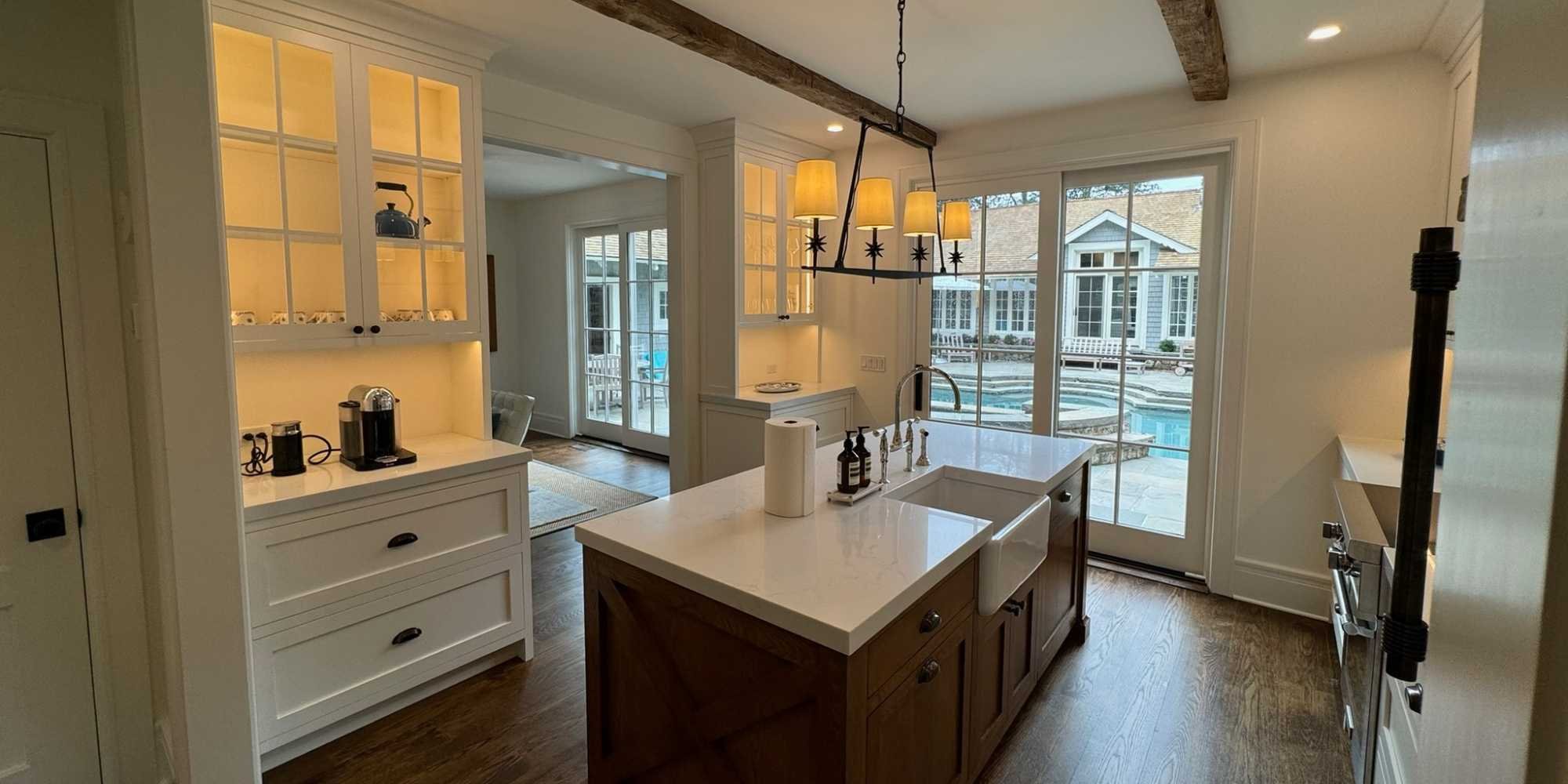
- Indoor–outdoor connections that extend living spaces into terraces, patios, or gardens
- Transitions between public and private areas to create a more balanced living environment
When these elements are addressed during the early design phase, the renovation does more than refresh finishes—it reshapes how the home supports the way the family lives every day.
How Design Coordination Improves Renovation Timelines
Well-coordinated design planning is one of the biggest factors in keeping a renovation on schedule.
When the architectural design, engineering, material selections, and construction planning are aligned early, the project can move into construction without unknowns.
Why Scheduling Begins During the Design Phase
Homeowners might assume the renovation timeline starts when construction begins. In reality, the schedule is shaped much earlier as the remodeling team coordinates permits, materials, and construction sequencing.
During the renovation design phase, this coordination often includes:
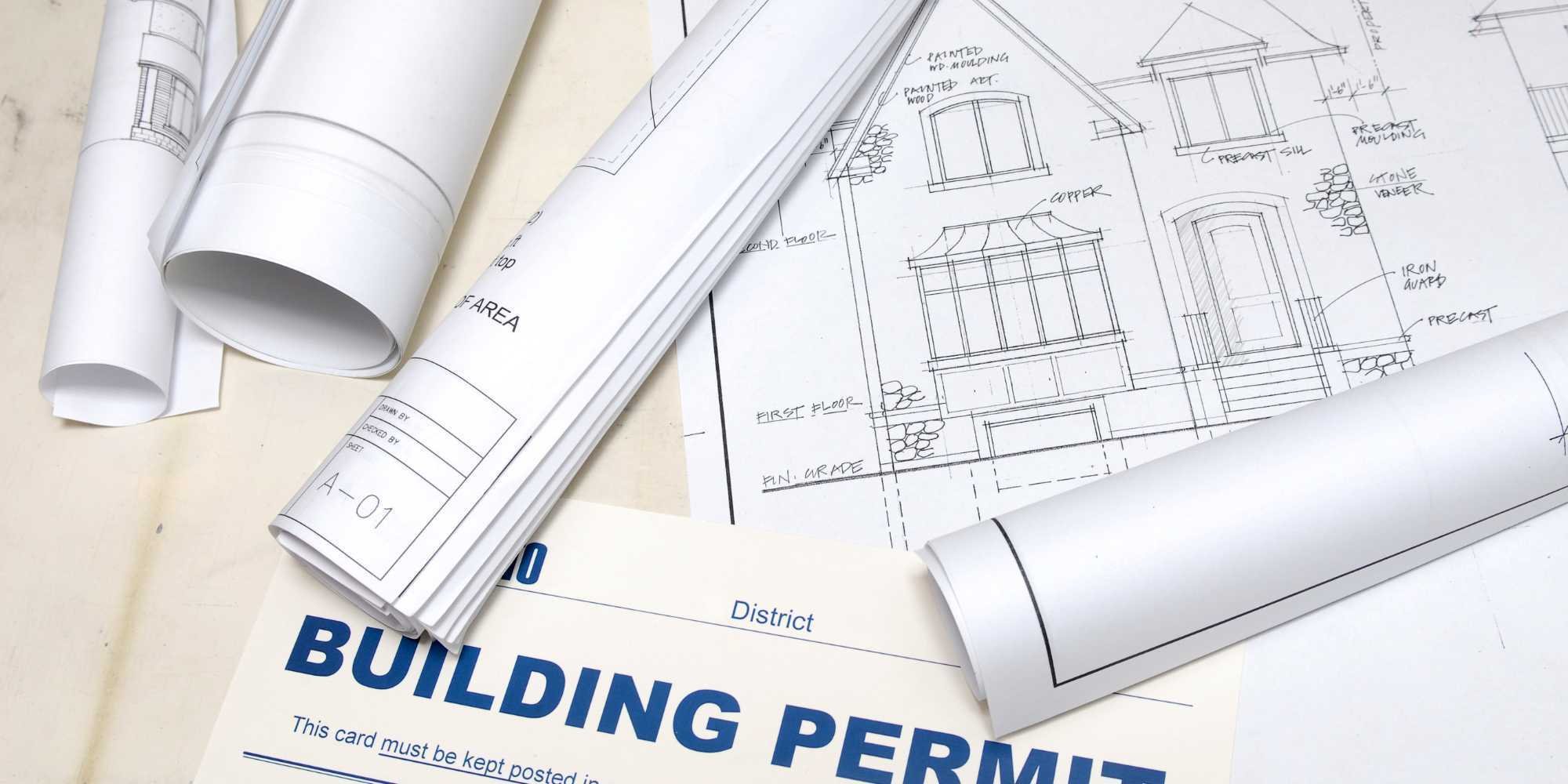
- Submitting permits earlier, once architectural plans and engineering are finalized
- Ordering long-lead materials sooner, such as windows, cabinetry, or specialty fixtures
- Scheduling contractors accurately based on a clearly defined scope of work
- Coordinating trades in advance so construction phases flow efficiently
How Early Coordination Reduces Delays
Without coordinated design planning, important decisions may still be unresolved when construction begins. This can result in pauses while materials are selected, permits are reviewed, or structural solutions are developed.
By contrast, strong renovation scheduling during the planning phase helps ensure:
- Materials arrive when they are needed
- Construction phases follow a logical sequence
- Trade partners can plan their work efficiently
- The renovation progresses with fewer interruptions
When these details are addressed during early planning, the construction phase is far more likely to stay on track and move forward smoothly.
The Role of Design-Build in Early Renovation Planning
A design-build approach brings architecture and construction together during the earliest stages of renovation planning.
In a traditional model, homeowners often work with architects, designers, and builders separately. Each professional contributes valuable expertise, yes, but coordinating decisions between multiple firms can slow the process and create gaps between design intent and construction realities.
The design-build renovation process integrates these roles from the beginning, allowing architectural ideas and construction planning to develop together.
Architects and Builders Working Together from the Beginning
When architects and builders collaborate early in the design phase, ideas can be evaluated from both creative and practical perspectives.
This early coordination helps the team:
- Identify structural considerations before designs are finalized
- Align architectural concepts with realistic construction methods
- Anticipate engineering requirements for major changes
- Develop solutions that balance aesthetics with buildability
Because both perspectives are involved from the start, potential challenges can often be addressed well before construction begins.
Faster Problem-Solving and Clearer Budget Alignment
Collaboration during the design phase also allows the team to resolve technical questions quickly and evaluate how design decisions influence the project budget.
Early coordination makes it easier to:
- Compare different design approaches and their construction implications
- Refine the design before structural plans are finalized
- Maintain alignment between the evolving design and the renovation budget
Streamlined Communication for Homeowners
Another advantage of the design-build model is simplified communication throughout the project.
Instead of managing separate design and construction teams, homeowners work with a unified team responsible for both planning and execution. This approach often leads to:
- Clearer communication across the project team
- Faster responses when questions arise
- Stronger coordination between design decisions and construction planning
- Fewer misunderstandings between disciplines
- A smoother transition from design into construction
By integrating architecture and construction under one process, the design-build renovation process creates a more coordinated and predictable path from the first design conversations to the start of construction.
Signs Your Renovation Planning Is on the Right Track
When the early design phase is working well, you and your team share a clear understanding of the design, scope, and expectations for the project.
While every renovation is unique, there are several indicators that the renovation design phase is progressing in the right direction.
Your Layout Decisions Are Largely Finalized
By the end of early renovation pre-construction planning, the overall layout of the home should feel well thought out and aligned with how you want to live in your home.
At this stage, homeowners typically have confidence in:
- The location and function of major spaces such as the kitchen, living areas, and bedrooms
- How rooms connect and circulate throughout the home
- Opportunities to improve natural light or sightlines
With these decisions established, the design team can begin developing the structural and architectural details that support the new layout.
The Design and Budget Are Aligned
A well-planned renovation keeps the design vision and investment expectations moving forward together.
Signs of strong alignment often include:
- A clear understanding of the project scope
- Preliminary construction pricing that reflects the design direction
- Discussions about materials and finishes that support the overall vision
- Confidence that the design decisions fit within the intended investment range
The Project Has a Clear Path Toward Construction
When renovation planning is progressing successfully, the project begins to move naturally toward the construction phase.
This typically means the team is working toward:
- Finalized architectural drawings and structural coordination
- Permitting and engineering preparation
- Early scheduling discussions for construction phases
- Coordination between the architect, builder, and key trade partners
- Identifying long-lead materials that may need to be ordered early
How TR Design-Build Guides the Early Design Process
Every successful renovation begins with a strong design process. At TR Design-Build, early planning helps homeowners turn their initial ideas into a clear renovation plan before moving on to the next phase.
Our renovation design process starts by understanding how you live in your home. That insight helps guide design decisions that balance aesthetics, functionality, and construction planning.
A Collaborative Design Process
Renovation planning begins with open conversations about goals, lifestyle needs, and long-term vision for the home. From there, the design team works closely with homeowners to explore layout possibilities and refine ideas as the project develops.
This collaborative process allows the team to:
- Evaluate how the existing home can evolve to better support daily life
- Explore architectural solutions that improve layout and flow
- Address structural considerations early in the design process
- Refine the renovation vision through ongoing feedback and discussion
By working closely with homeowners during these early stages, the design begins to reflect both practical needs and personal preferences.
In-House Architecture and Coordinated Planning
Our approach to high-end renovations in New Canaan and the surrounding areas brings architectural design and construction planning together from the start.
With architecture and construction working side by side, design decisions can be explored while keeping the realities of building in mind. The result is a renovation design that balances creativity with practicality.
During early planning, this includes:
- Developing architectural drawings that guide the renovation
- Evaluating structural requirements for layout changes
- Coordinating engineering and building systems
- Preparing documentation that supports accurate construction planning
This level of preparation allows the project to move toward construction with a clearly defined roadmap.

Start Planning Your Renovation with the Right Foundation
The most successful remodels begin with a strong design plan. When layout, budget, and construction coordination are addressed early, the entire process tends to move more smoothly from concept to construction.
If you're thinking about a high-end renovation in New Canaan, the team at TR Design-Build would love to start the conversation and learn more about your project. Get in touch with our team to schedule a consultation, and let us guide you through a design process that works the way it should.